A return number tells me where an investment ended. It does not tell me what the journey looked like. Two strategies can finish with similar gains while exposing investors to very different losses, concentration, turnover, and emotional pressure along the way.
Drawdown changes the experience
Imagine one strategy that steadily compounds and another that suffers a severe decline before recovering. Both may finish ahead, but the second demands much more patience and financial flexibility. A drawdown also makes recovery mathematically harder as the loss deepens.
That is why I review maximum drawdown alongside annualized return and volatility. In my own strategy research, a seemingly impressive result becomes less convincing when it depends on extreme exposure or one unusually favorable period.
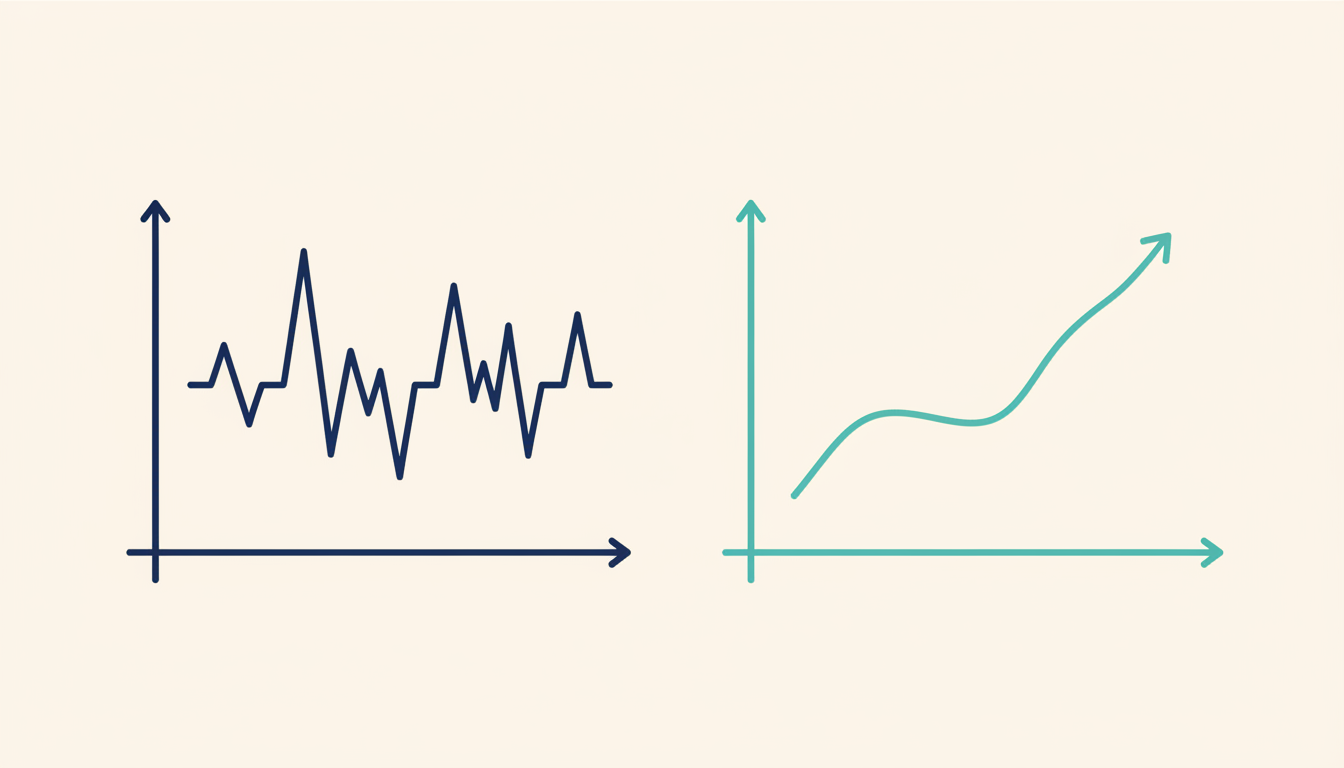
Ask what risk produced the result
The Sharpe ratio can help frame the amount of return earned relative to variability, but no single ratio captures everything. Liquidity, leverage, trading costs, and a strategy’s behavior during market stress deserve their own attention.
Concentration is another example. A portfolio can outperform because several related holdings rose together, not because it was well diversified. The SEC’s Investor.gov guide to allocation and diversification explains how mixing investments can change exposure to specific risks.
A more useful comparison
When evaluating alternatives, I ask four questions: What benchmark is appropriate? How large were the worst losses? Did the performance depend on a handful of positions? And could the approach realistically be maintained with its costs and trading frequency?
Those questions help turn performance from a scoreboard into a decision framework. My goal is not simply to find the most exciting backtest; it is to understand whether the potential reward is reasonable for the risk and effort required.
